Table Games That Enhance Problem Solving
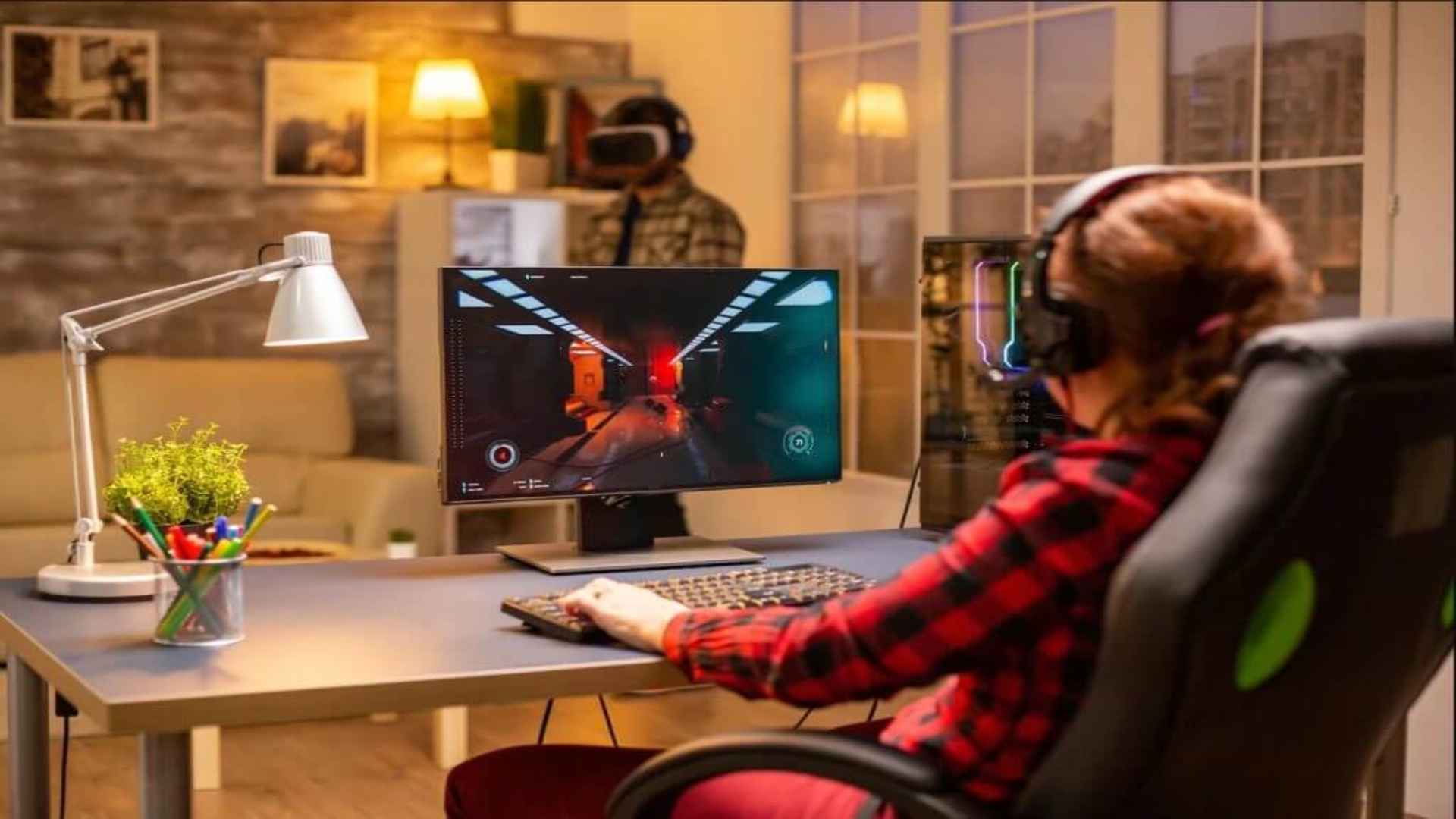
Engaging in tabletop activities is more than just a way to pass the time; it is a powerful method for exercising the human brain. Many popular table games require players to analyze complex situations, weigh potential risks, and make calculated decisions under pressure. By regularly participating in these activities, individuals can significantly sharpen their analytical abilities and cognitive flexibility.
The Mathematical Strategy of Classic Card Games
Card games have long served as an excellent training ground for logical deduction and probability assessment. Players must constantly evaluate the visible cards, calculate the likelihood of remaining hands, and adjust their strategy based on their opponents' behavior. This ongoing mental calculation builds a strong foundation for split-second decision-making in real-world scenarios.
For those looking to explore tactical challenges and sharpen their analytical skills in a digital environment, finding the right platform is key. New enthusiasts can visit m88 login terbaru to access an array of strategy-driven options. Practicing these games in a relaxed setting helps players build long-term cognitive confidence without unnecessary stress.
Spatial Awareness and Planning in Tile Placement Games
Tile-based and board-mapping games introduce a unique spatial dimension to the realm of problem-solving. Players must visualize future layouts, manage limited resources, and block competitors from claiming valuable territory. This process exercises the brain's spatial aptitude, helping individuals visualize multi-step solutions to physical or organizational challenges.
Additionally, these games teach players how to recover from unexpected setbacks when an opponent disrupts their plans. Adapting to a changing board state forces the mind to abandon failing strategies and quickly formulate alternative paths to victory. This direct form of mental training promotes resilience and adaptability in professional and everyday environments.
Cooperative Challenges and Collaborative Thinking
Not all table games place players in direct competition with one another. Cooperative games require participants to pool their unique skills, coordinate efforts, and solve complex puzzles together to defeat the game itself. This collaborative structure mirrors modern workplace dynamics, where collective brainstorming is essential for overcoming organizational hurdles.
Working together toward a common goal enhances communication skills and teaches players to value diverse perspectives. By analyzing collective risks and debating the best course of action, groups learn to make more balanced, well-rounded decisions. Ultimately, these cooperative challenges show that the best solutions often emerge through shared strategic planning.